You Are Carrying More Than You Think: How to Rebuild Your Emotional Strength From the Inside Out
Rebuild your emotional strength and prevent burnout with this powerful guide to awareness, resilience, and self regulation. Learn how to reconnect with yourself, reduce overwhelm, and take the first step toward healing with a free Emotional Check In and Burnout Reflection survey.
Jasmine Spink
12/9/20256 min read
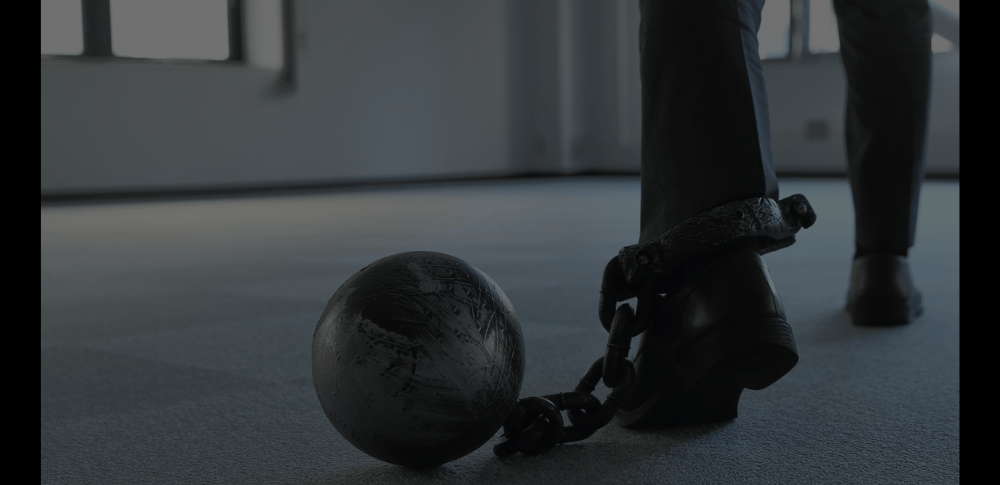

Most people think emotional strength is something you either have or you do not. They picture it as toughness. Grit. Steeling yourself through pressure until the moment finally passes. But emotional strength is not the absence of struggle. It is not about staying unshaken. It is not built on perfection.
Emotional strength is built on honesty. It starts with the courage to admit you feel tired. Stretched. Overscheduled. Under supported. It grows each time you choose to feel rather than numb. Each time you pause instead of push. Each time you allow yourself to be human instead of pretending you are fine.
If you are reading this, there is a good chance you have been carrying more than you let on. Maybe you look strong from the outside. Maybe you get things done. Maybe you always show up, even when your chest feels heavy or your thoughts feel scattered. People might even call you dependable. The one who holds it all together.
But here is the truth that most people never say out loud. You can be the strong one and still feel overwhelmed. You can be the person others rely on and still feel close to burnout. You can look steady to everyone else while quietly losing pieces of yourself.
Burnout is not a character flaw. Emotional exhaustion is not a sign of weakness. Stress does not show up because you failed. It shows up because you are human. And your humanity deserves care.
This post is a place to slow down. A place to reconnect with yourself. A place to understand why you feel the way you do and what you can do to rebuild your emotional strength in a way that feels grounded and sustainable.
Let’s start where all healing begins. With awareness.
1. You Cannot Heal What You Cannot Name
Your emotions are signals. They are your mind and body trying to communicate with you. Overwhelm means something is too heavy. Irritation means something has crossed a line. Numbness means your system is shutting down to protect you. Fear means something feels uncertain or unsafe.
But most people are moving too fast to notice any of this. You go from task to task. Inbox to inbox. Obligation to obligation. You spend more time responding to demands than listening to yourself.
One of the most powerful steps you can take is simply paying attention.
Ask yourself:
What emotions keep showing up?
What stresses my body?
What thoughts replay at night?
What parts of my day drain the most energy?
Naming your inner experience helps you reclaim control. You stop feeling like life is happening to you. You start feeling like you have a say in how you meet what comes.
This is emotional regulation in its most human form. Not suppressing emotions. Not overpowering them. Understanding them.
Awareness is the doorway to every form of healing that comes next.
2. Burnout Does Not Begin With Exhaustion. It Begins With Disconnection.
Most people do not realize burnout is not just about too much work. It is about too little alignment. Too little meaning. Too little support. Too little rest that actually restores you.
Burnout begins long before the day you feel like you cannot do it anymore. It begins the day you stop checking in with yourself. The day you stop saying no. The day you stop asking what you need. The day you start labeling your exhaustion as normal.
It grows quietly.
Burnout deepens each time you choose performance over presence. Perfection over honesty. Pressure over well-being.
Emotional disconnection is the first warning sign.
Ask yourself:
Have I been ignoring what my body is trying to tell me?
Have I been brushing aside emotions because I feel I do not have time to feel them?
Do I move through my days on autopilot?
Does everything feel like one long list of responsibilities?
These signs do not mean you are broken. They mean you need space. Space to rest. Space to reconnect with yourself. Space to feel safe enough to be human again.
The good news is this. Disconnection can be reversed. You can rebuild from here.
3. You Do Not Need to Become Stronger. You Need to Become Softer With Yourself.
People talk about mental toughness as if the solution to struggle is simply to fight harder. But real resilience is not about force. It is about flexibility. It is about understanding your limits and honoring them.
Strength grows when you allow yourself to slow down. When you listen. When you treat yourself with the same compassion you offer others. When you stop expecting yourself to hold everything without breaking.
Softening is not weakness. Softening is healing. Here is what soft strength looks like in real life:
Saying no even when you feel guilty.
Taking a break before you hit the wall.
Allowing yourself to cry instead of swallowing emotions.
Admitting you need help.
Letting go of the habits that keep you in survival mode.
Your emotional life changes when you stop treating yourself like a machine and start treating yourself like a person.
4. Emotional Regulation Is Not About Control. It Is About Connection.
People often think emotional regulation means keeping it together. Staying calm. Not reacting. Being the collected one in the room. But true regulation is not about suppressing emotion. It is about knowing what to do with it.
It is the ability to:
Pause before reacting.
Understand what triggered you.
Respond with clarity instead of panic.
Stay connected to your values even in stressful moments.
Regulation does not require perfection. It requires awareness. It requires tools. It requires energy. When you are burned out, your ability to regulate drops, because your nervous system is already overstretched.
This is why emotional regulation and burnout recovery must go hand in hand. You cannot regulate properly when you are depleted. And you cannot recover from burnout if you do not learn how to regulate.
This is where your inner work becomes powerful.
5. Your Nervous System Needs More Than Rest. It Needs Safety.
Rest is valuable, but rest alone does not heal the deeper layers of burnout. Your nervous system needs signals of safety. Safety is what tells the body it can exit survival mode. It is what lowers reactivity. It is what helps you think clearly again.
Signs of safety include:
Slowing your breath.
Feeling grounded in your body.
Being in environments where you do not feel judged.
Spending time with people who accept you.
Creating space free from pressure.
When your system feels safe, emotional healing ignites. Stress softens. Clarity returns. You feel more like yourself.
When your system feels unsafe, you can sleep twelve hours and still wake up exhausted.
This is why grounded routines, supportive environments, and small moments of peace matter. They are not luxuries. They are fuel.
6. You Are Allowed to Outgrow the Version of You That Could Handle Everything Alone
Many people carry invisible rules about what strength should look like. Rules like:
I should be able to handle this.
I should not need help.
I should push through.
I should not slow down.
I should always be okay.
These rules do not make you strong. They make you silent.
The truth is simple. You are allowed to need support. You are allowed to have limits. You are allowed to want ease instead of constant effort. You are allowed to outgrow the version of you that believed everything had to be done alone.
As you reconnect with yourself, you will start hearing a quieter truth. A truth that says:
You deserve help.
You deserve rest.
You deserve peace.
You deserve to feel like yourself again.
Life becomes lighter when you stop proving your worth through struggle and start honoring your worth through care.
7. Healing Begins With One Honest Check In
Awareness is the foundation of emotional growth. You cannot change what you cannot see. You cannot heal what you do not acknowledge. You cannot navigate your emotional world if you do not pause long enough to notice what is happening in it.
This is why I created a free, gentle, reflective survey. It is not a test. It is not a diagnosis. It is an invitation. A moment to slow down. A moment to breathe. A moment to listen to yourself without pressure or judgment.
This is your chance to say:
This is where I am.
This is what I feel.
This is what I need next.
Your emotional life matters. Your well-being matters. Your story matters. You do not have to navigate this alone.
Take Your Next Step
If you are ready to check in with yourself in a deeper, more honest way, I created a free tool to help you begin.
It is called the Emotional Check In and Burnout Reflection Survey. It takes just a few minutes, and people tell me it feels grounding and clarifying.
At the end, you can choose to receive a personalized reflection from me based on your answers.
Start your check in here:
Emotional Check In and Burnout Reflection Survey
Give yourself this moment. You deserve a life that feels steady, supportive, and true to who you are.
Your healing begins with awareness. Your strength grows from there.
If you didn't have to be anything for anyone else,
who would you be?
Contact
Email:
jasminespink28@gmail.com
Cell:
587-444-2234
© 2025. All rights reserved.